UN calls on big pharma to reduce cost of life-saving medicines
Reducing costs in the drug development process in general and in clinical trials in particular is not only a question of finances and profit and loss:
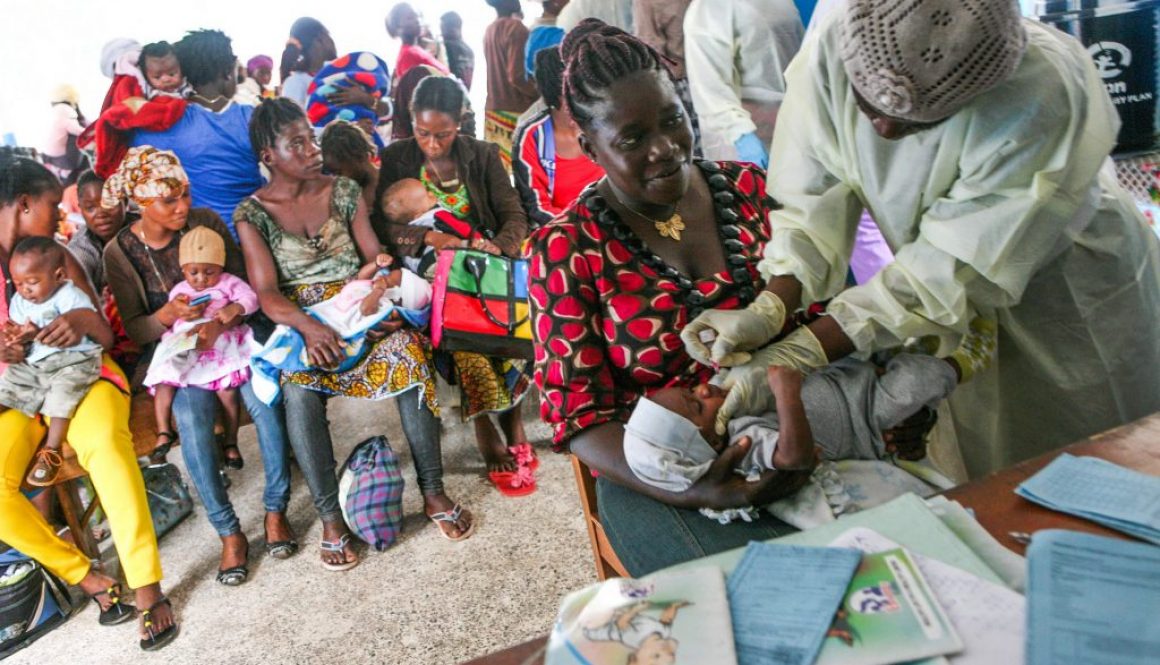
A United Nations high-level panel on access to medicines has called for major changes to the way in which research and development (R&D) of life-saving medicines is funded in order to make them more affordable for patients around the world and fight neglected diseases, a new article in The Guardian reports. The panel, which was made up of a wide range of global experts, including pharmaceutical industry leaders, public health officials and human rights campaigners, recommended that “innovative financing methods … delink the costs of R&D from the end prices of health technologies”. The final report also called for greater transparency of R&D costs. The panel chair explains: „… a lack of commercial interest has meant a dangerous paucity of investment in diseases such as Ebola and in the production of new antibiotics. Strains of tuberculosis that are resistant to current antibiotics are a global problem. There are some great priorities that are neglected by the traditional way that innovation and access is dealt with – important challenges such as neglected diseases like Ebola and Zika, which didn’t mobilise enough innovation.”
She says that the problem of drugs pricing affects rich countries as well as poorer nations. “We see this in oncology and with hepatitis C – because of the … financialisation of the pharmaceutical industry they are not available for all in need. There is a trend to ration some [drugs] and this idea of a two-tier medicine is just unacceptable.” [Read more: The Guardian]

 The key question in contract negotiations is: How can we develop a fair deal that respects the inevitable need of a CRO to mitigate the financial thread by project cancellations and also address the legitimate interest of the sponsor to avoid any additional costs for cancelled projects that are already a wast of money? It is important to understand that this fee shall not be a penalty but an average amount reflecting the real cost of the cancellation.